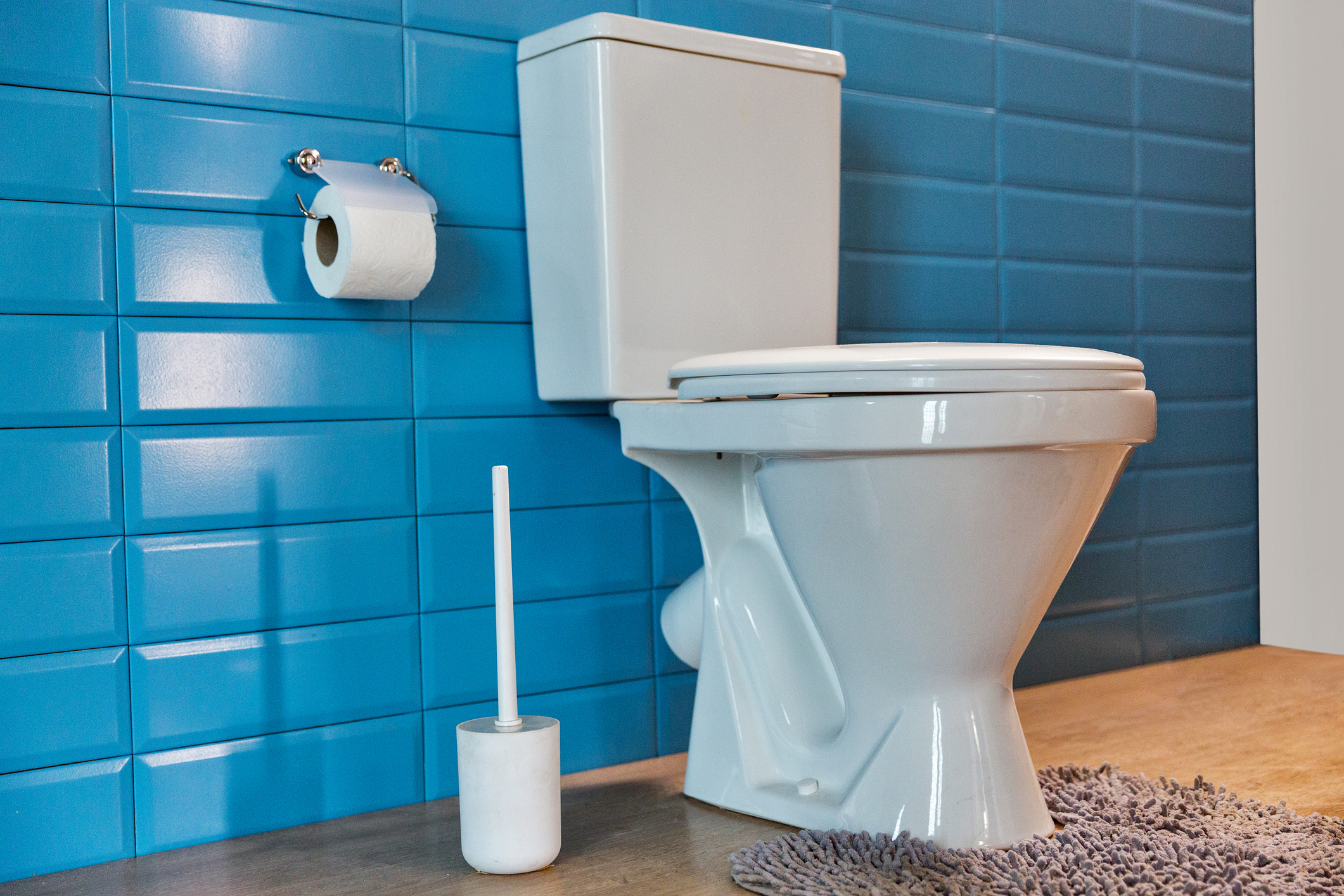
Have you thought about what it would be like to live without toilets? According to the WHO and CDC, about 1.5 billion people don’t have access to safely managed sanitation in their home, and another 3.4 billion people don’t have access to safely managed sanitation anywhere — even outside of their home. Inadequate sanitation systems spread human waste into rivers, lakes, and soil — contaminating the water resources under our feet.
World Toilet Day is held every year on November 19. It has been an annual United Nations Observance since 2013. This year, World Toilet Day focuses on sanitation in a changing world. In a changing world, one thing is constant: we’ll always need the toilet. No matter what lies ahead, we will always rely on sanitation to protect us from diseases and keep our environment clean.
The United Nations has set a goal to ensure everyone on Earth has access to safe sanitation by 2030, but that effort is seriously off track. On World Toilet Day 2025, the UN calls on governments to ensure sanitation and water services are resilient, effective, accessible, and shielded from harm by investing in the repair, maintenance, and replacement of aging sanitation infrastructure.
Clean Water Services is dedicated to protecting public health while enhancing the natural environment. We clean Washington County’s used water — including what you flush down your toilet — to near drinking water standards before returning it to the Tualatin River.

Do You Know About The Two Bucket System?
It’s our goal to restore services within two weeks following a major natural disaster. That’s why it’s important for households to Be 2 Weeks Ready. This means having an emergency plan and enough supplies for everyone in your household to survive for at least 14 days following a disaster. Your emergency plan should include the two-bucket system.
The two-bucket system requires five-gallon buckets and heavy-duty plastic bags. Plan for five gallons of waste from each person each week to help you know how many buckets you’ll need. Make sure to label one bucket for pee and one for poop. Separating pee lessens volume and odor, making contents safer and easier to store and dispose.