Clean Water News & Stories

Leave it to Beavers 

Uncategorized Education Public Health Research Tualatin River
There’s a lot we already know about nature’s engineers. Beavers have iron-enriched teeth, which is what makes them strong enough to gnaw wood (and gives them an orange color). Beavers also have a unique way of communicating — by slapping their tails to draw attention to something or even warn of potential danger.  
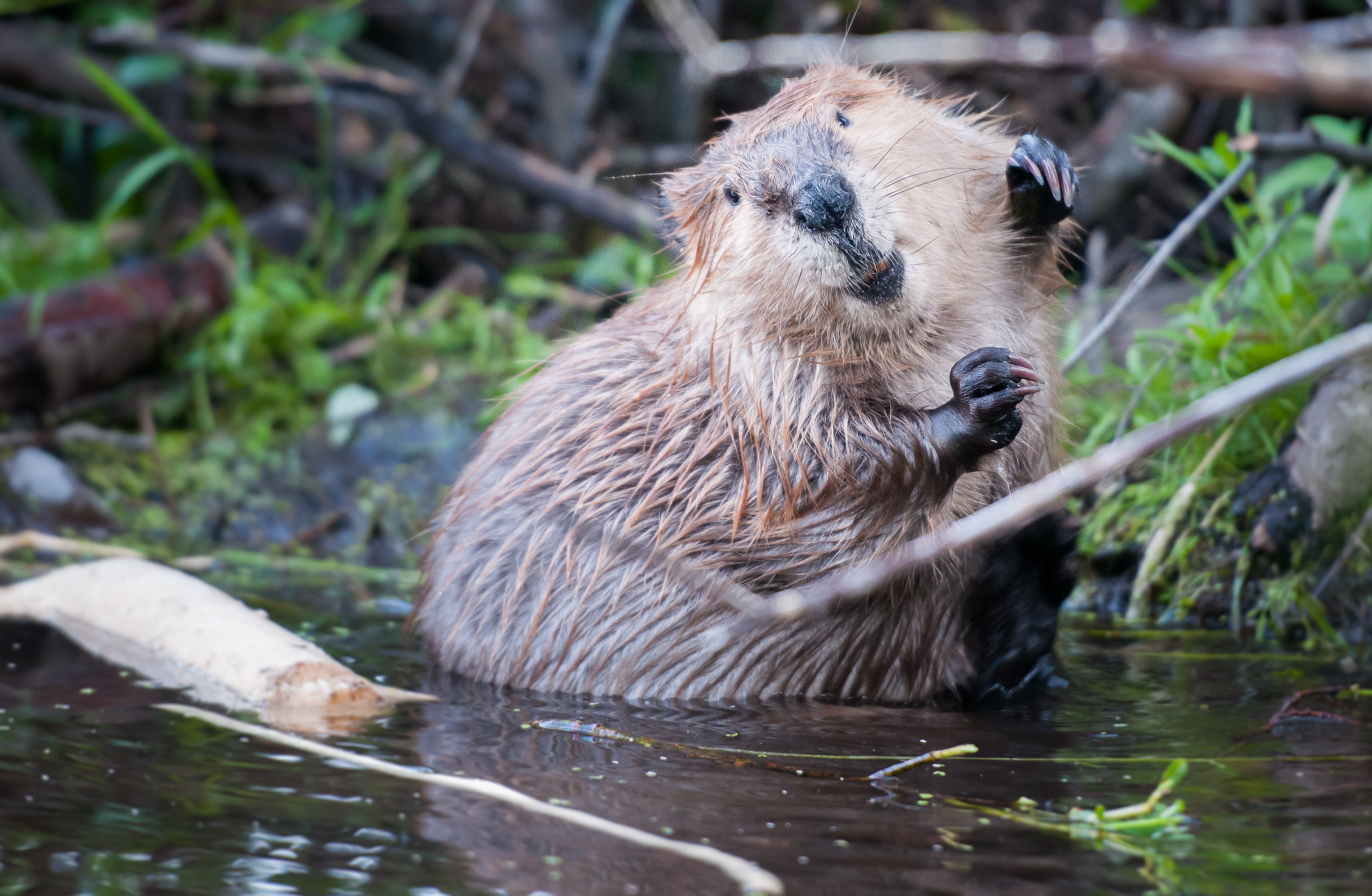
A beaver in water.

Rain to Drain to River

Your actions, no matter how small, can impact the life cycle of the salmon, and the overall health of the watershed.
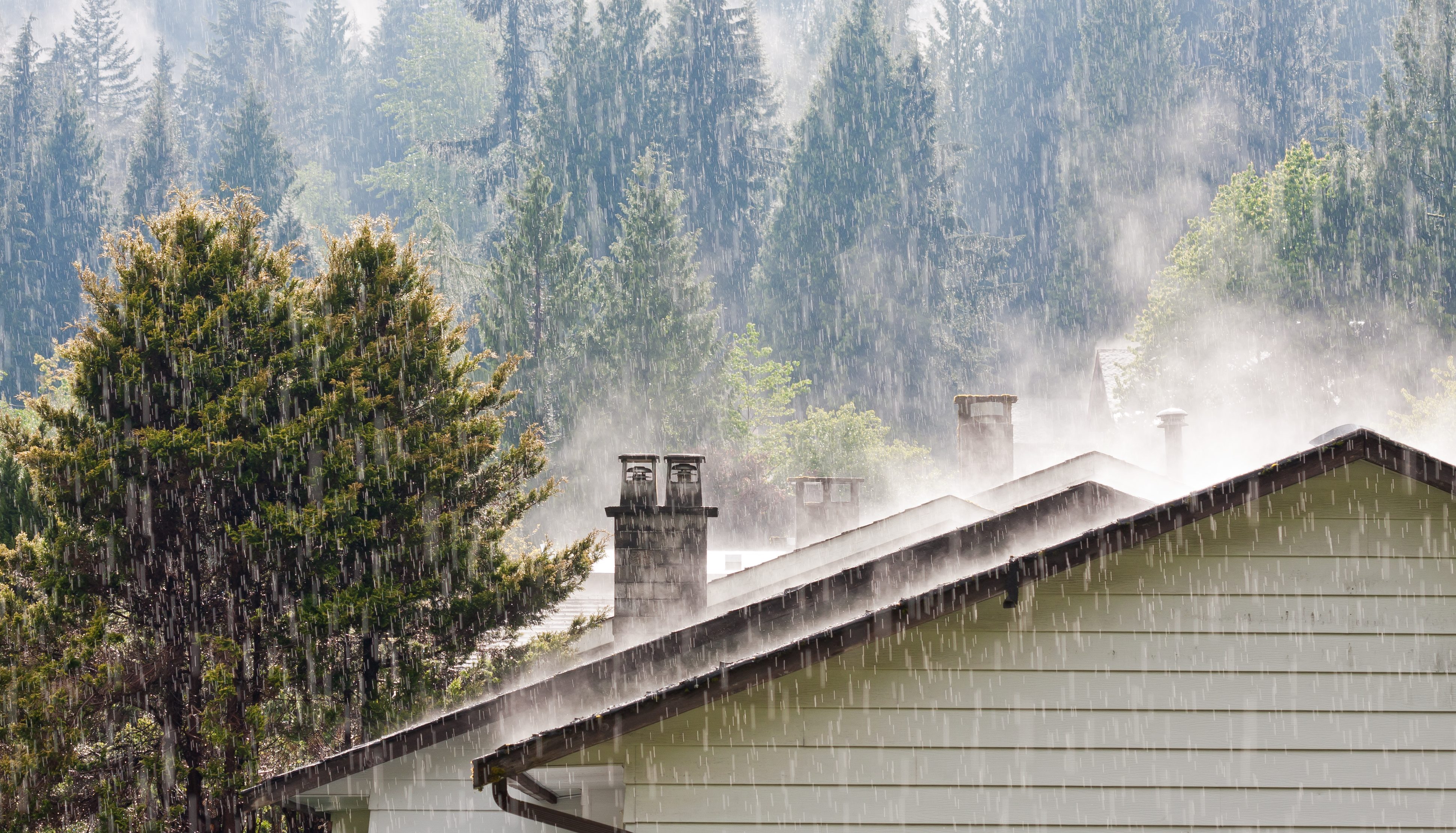
Rainfall on suburban rooftops.

Fireworks: Keep the Spectacle Out of Storm Drains 

We encourage people to have safe and joyous celebrations, but we also want to protect our slow and sensitive Tualatin River, which is a vital resource to our region. The Tualatin River provides drinking water, agricultural irrigation, and recreation. It’s also home to native wildlife like beavers, turtles, salmon, newts, egrets, and more. Keep these critters in mind when you clean up after using fireworks.  
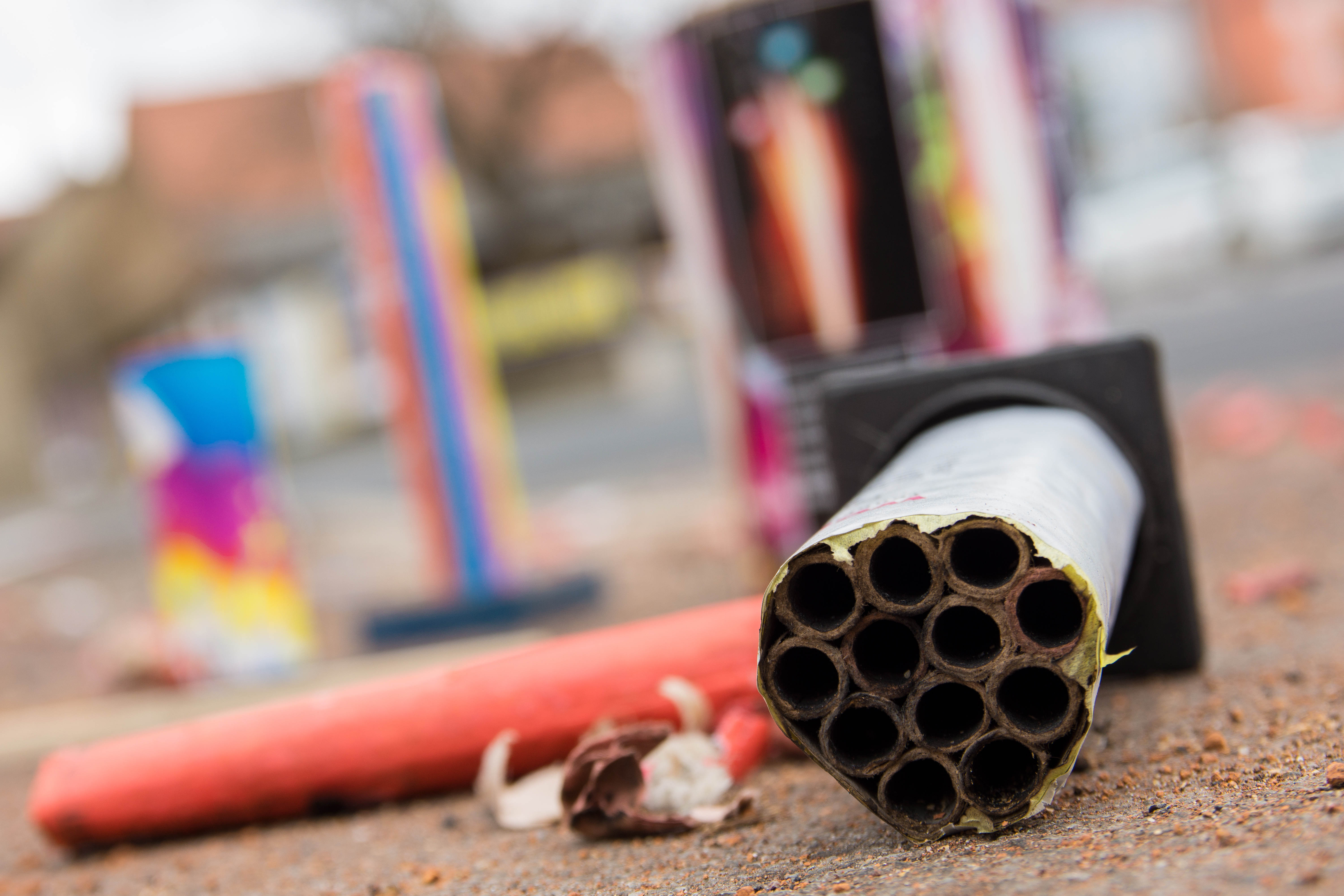
An image of leftover fireworks on the streets.

From Unthinkable to Almost Drinkable

Do you wonder what happens to that water after you send it down the drain? Eventually, Washington County’s water ends up back in the Tualatin River, but it goes through quite a process to get there. 
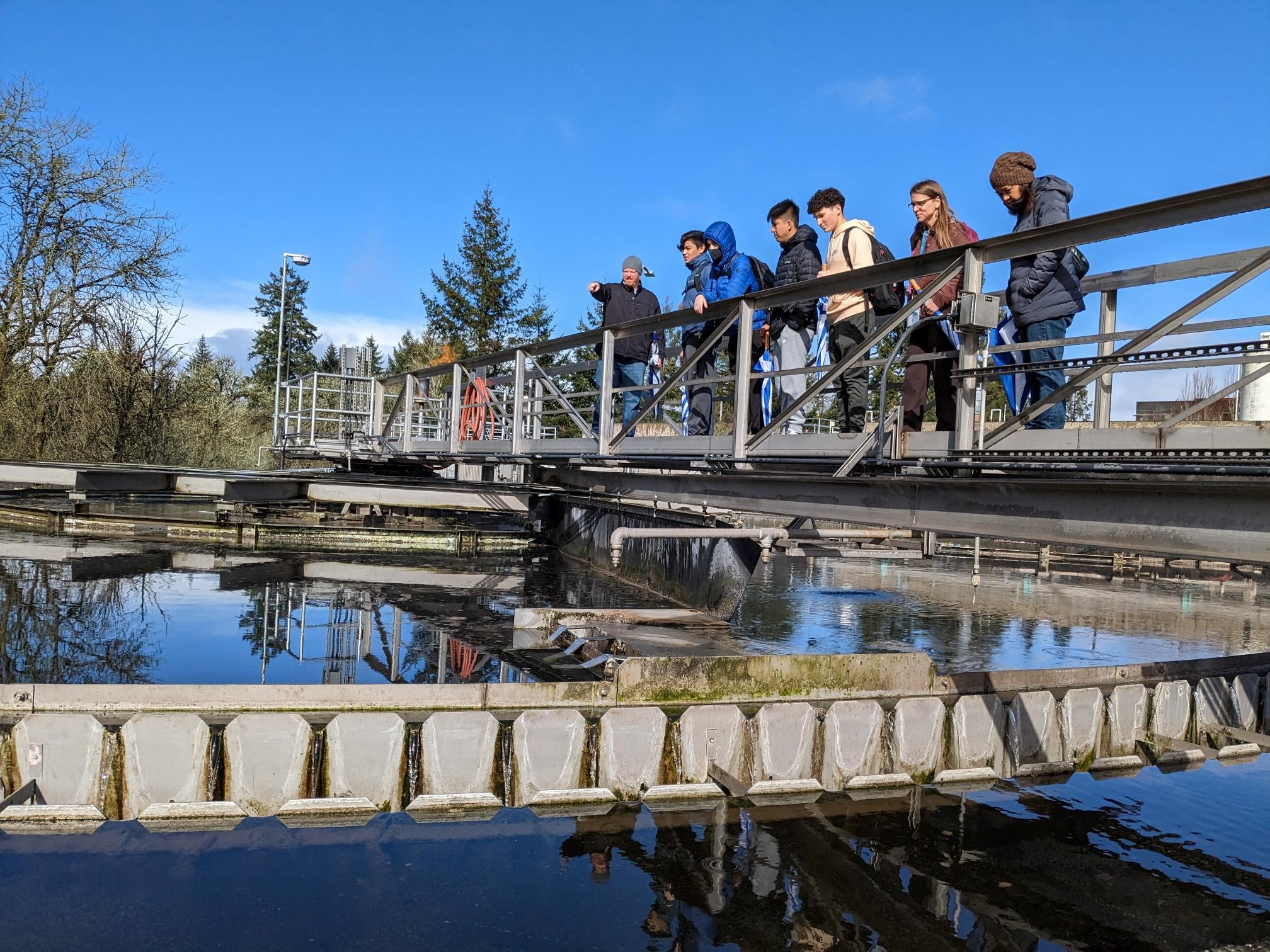
A group of people on the catwalk above a primary clarifier at A CWS Water Resource Recovery Facility.