Clean Water News & Stories

Leave it to Beavers 

Uncategorized Education Public Health Research Tualatin River
There’s a lot we already know about nature’s engineers. Beavers have iron-enriched teeth, which is what makes them strong enough to gnaw wood (and gives them an orange color). Beavers also have a unique way of communicating — by slapping their tails to draw attention to something or even warn of potential danger.  
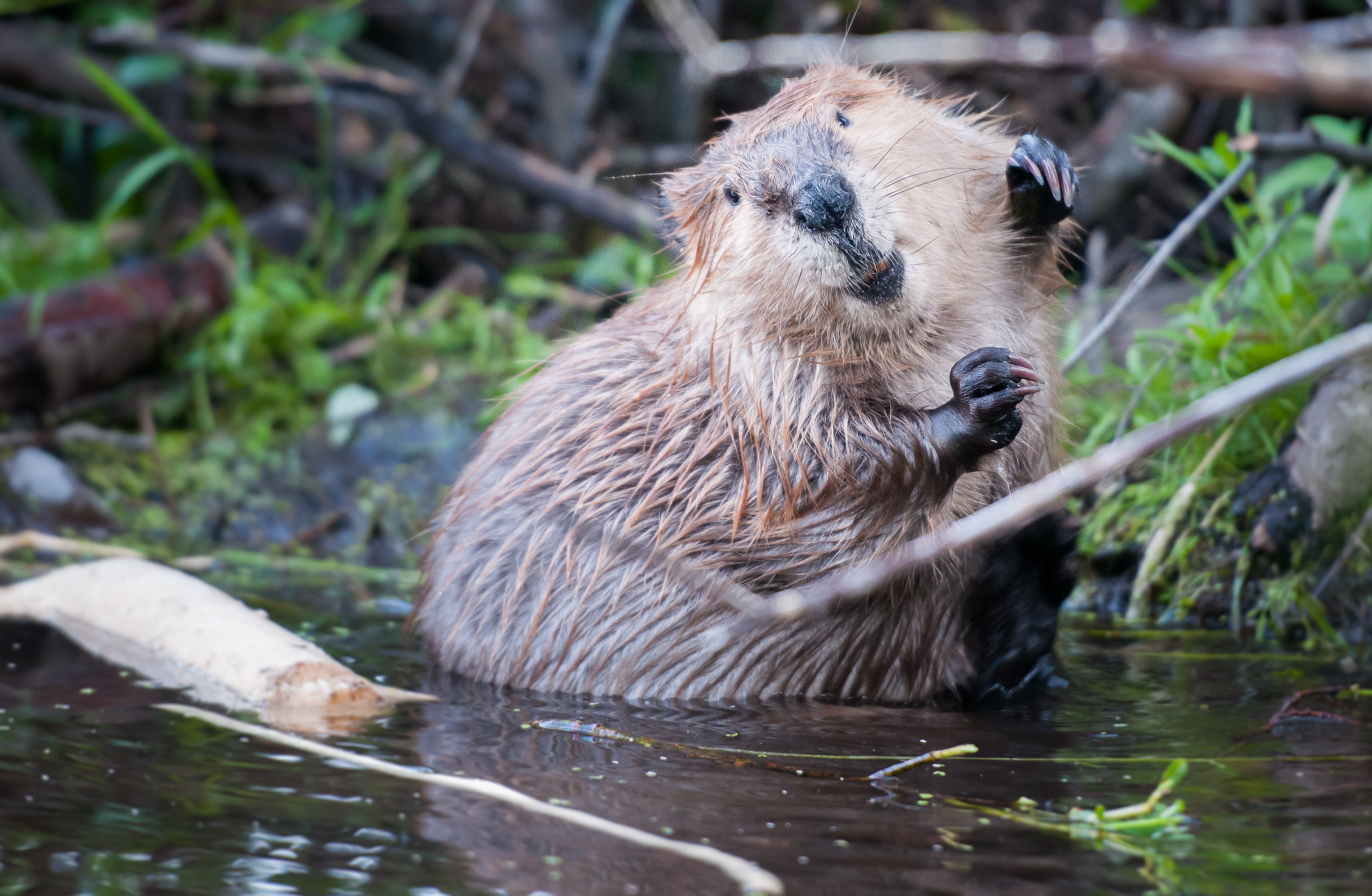
A beaver in water.

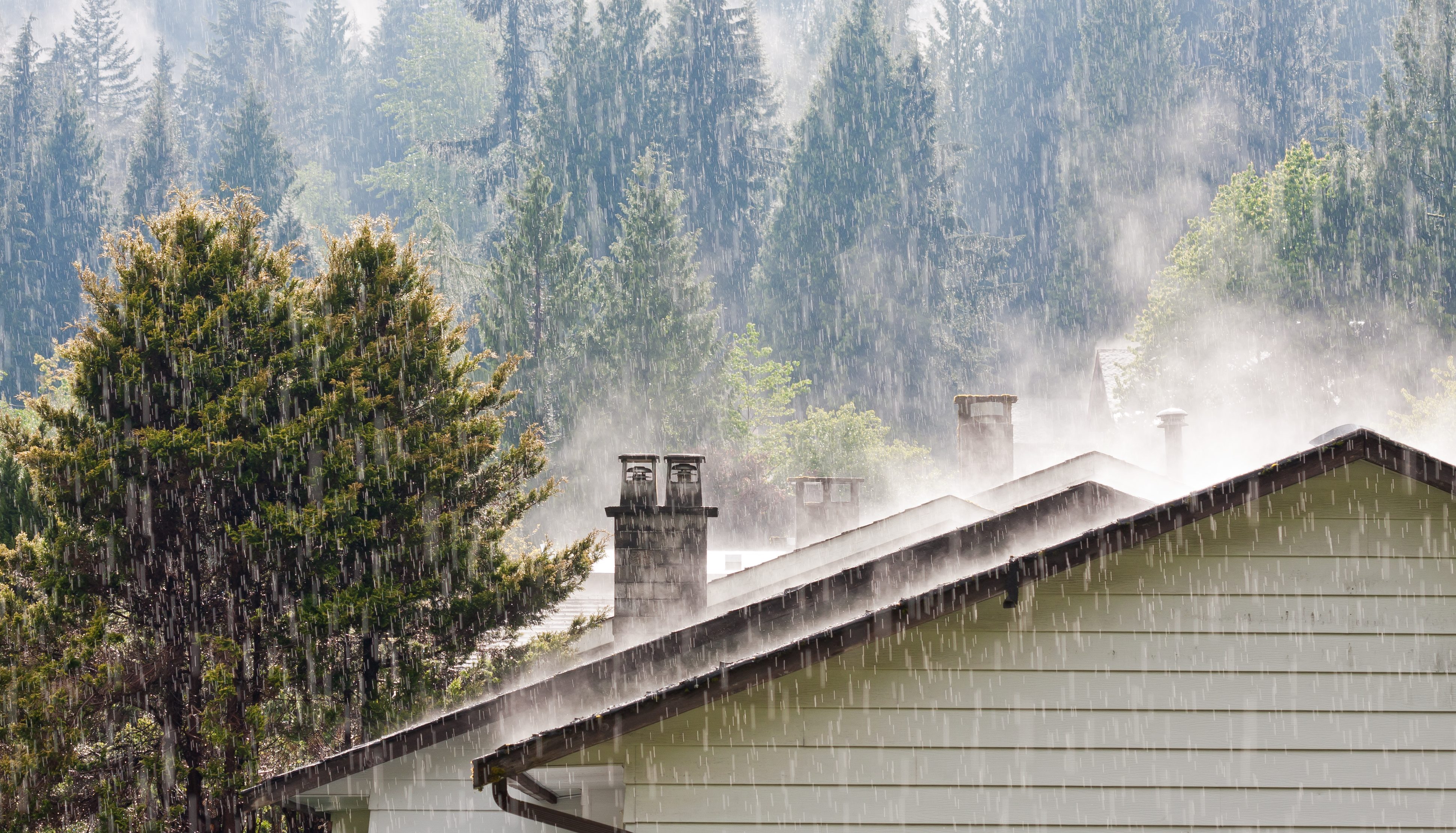
Rain to Drain to River

Your actions, no matter how small, can impact the life cycle of the salmon, and the overall health of the watershed.
Rainfall on suburban rooftops.

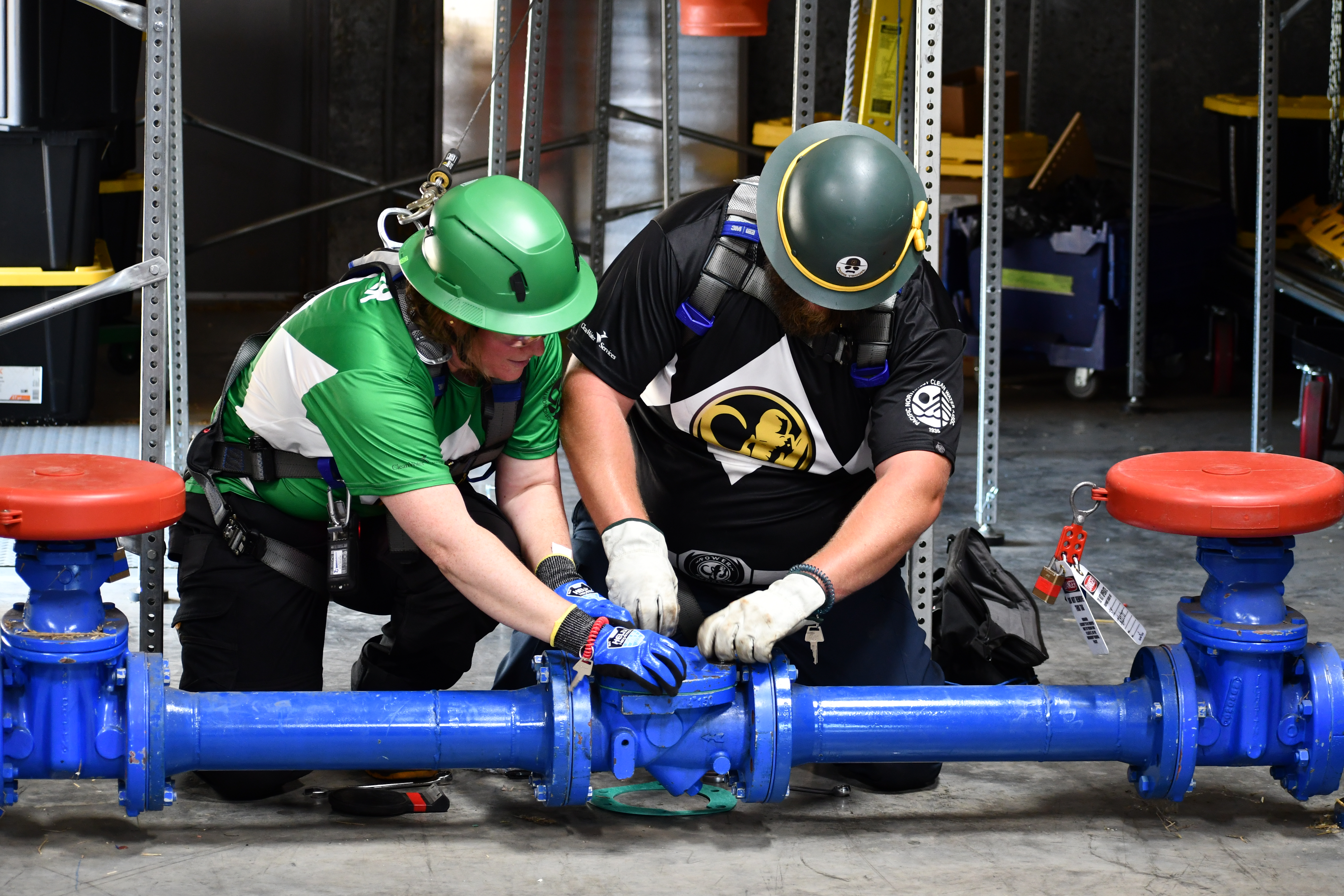
‘Wastewater Olympics’ Boosts Essential Services Skills 

It’s been called the Wastewater Olympics, the Sewage Superbowl, and one of the best professional development programs in the water sector. The Operations Challenge exists because wrangling wastewater to protect our communities and environment requires well-trained professionals who can put their skills to work quickly, safely, and collaboratively.

Who’s Been Here? Using eDNA to Understand and Defend our Watershed  

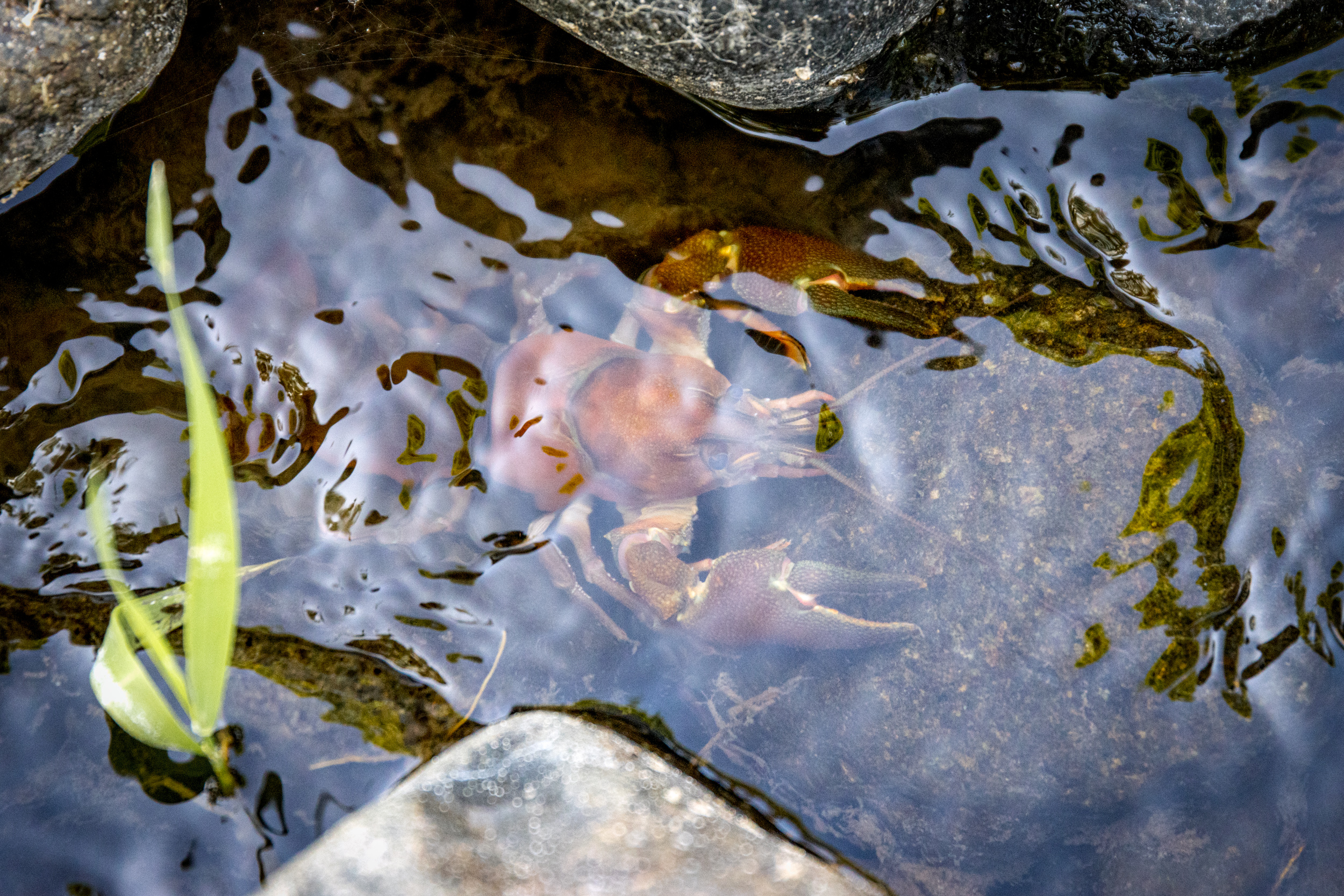
There are many different ways the watershed talks to us, if you know how to listen. At Clean Water Services (CWS), we are always working to understand the needs of the Tualatin River Watershed. One way we learn from the environment is asking “who or what has been here?” Since we can’t knock on the door of a beaver dam or ring a trout’s doorbell, CWS is using a new technique to translate the language of the watershed. 
An image of a craw dad

Critical Infrastructure Meets the Natural Landscape 

When you kayak along the river or take a stroll through your neighborhood park, you may not realize the critical infrastructure just below the surface, hiding underground and carrying wastewater to a treatment facility or stormwater to a nearby waterway.
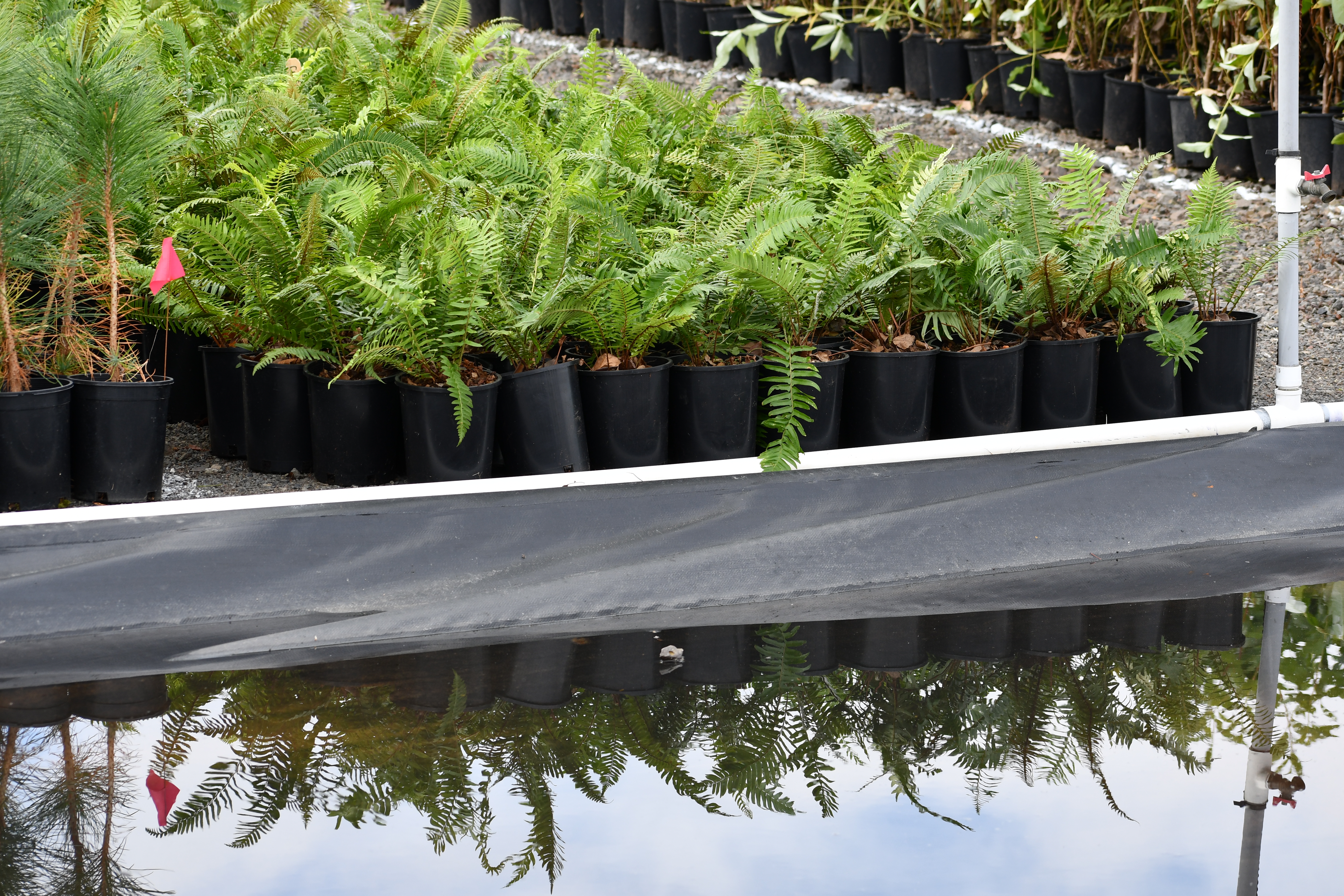
An image of native plants.

Fireworks: Keep the Spectacle Out of Storm Drains 

We encourage people to have safe and joyous celebrations, but we also want to protect our slow and sensitive Tualatin River, which is a vital resource to our region. The Tualatin River provides drinking water, agricultural irrigation, and recreation. It’s also home to native wildlife like beavers, turtles, salmon, newts, egrets, and more. Keep these critters in mind when you clean up after using fireworks.  
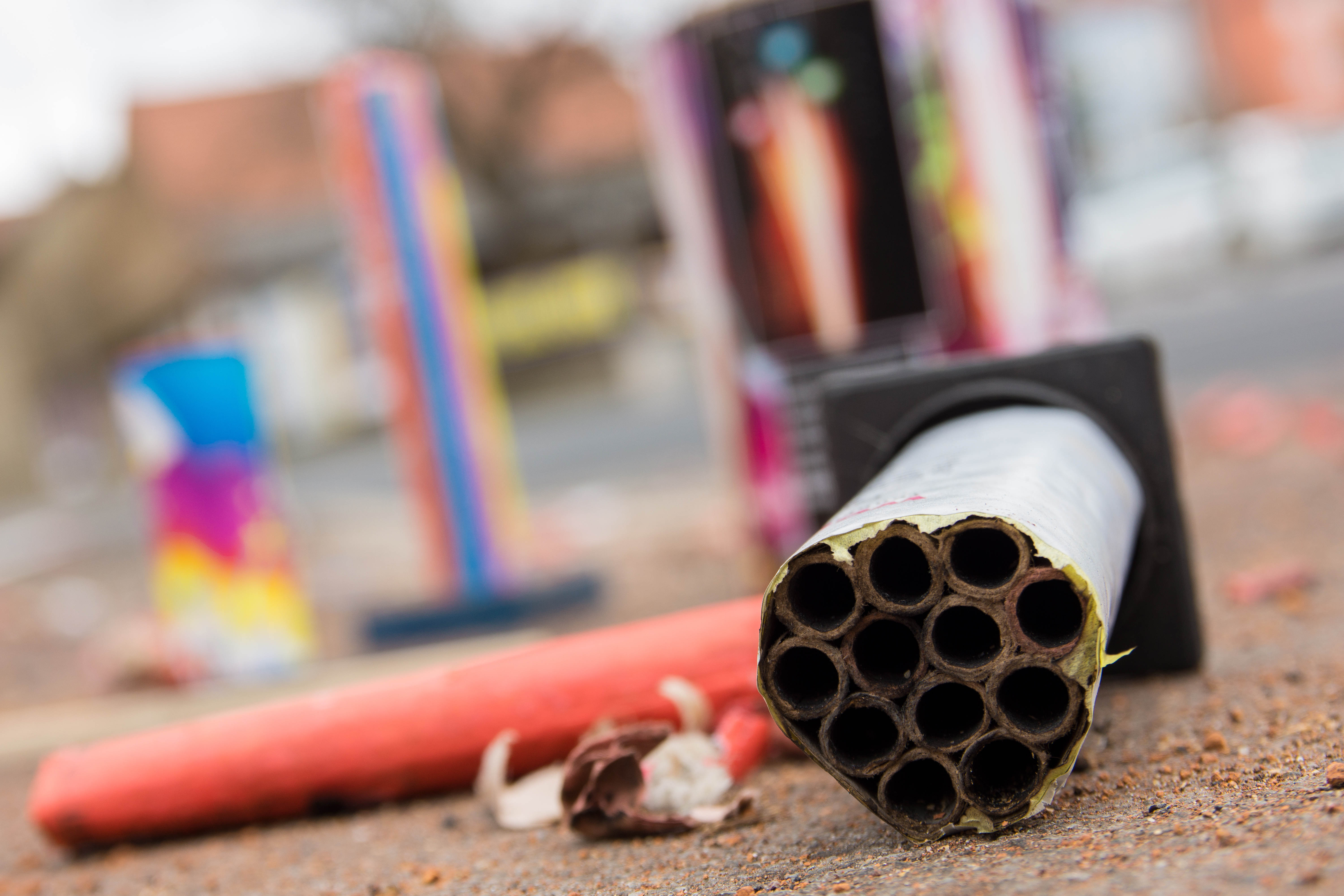
An image of leftover fireworks on the streets.