Have you thought about what it would be like to live without toilets? According to the WHO and CDC, about 1.5 billion people don’t have access to safely managed sanitation in their home, and another 3.4 billion people don’t have access to safely managed sanitation anywhere — even outside of their home. Inadequate sanitation systems spread human waste into rivers, lakes, and soil — contaminating the water resources under our feet.
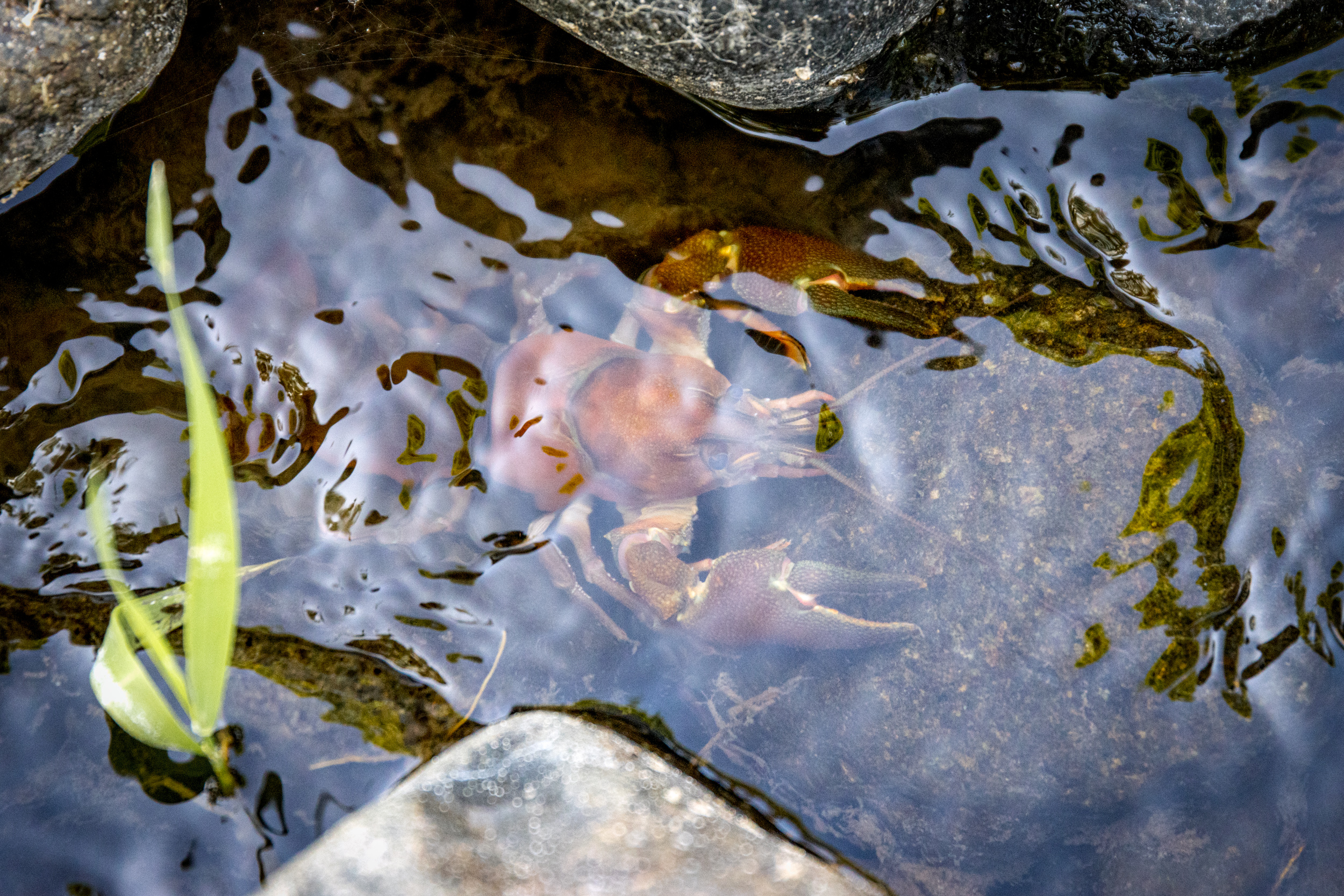
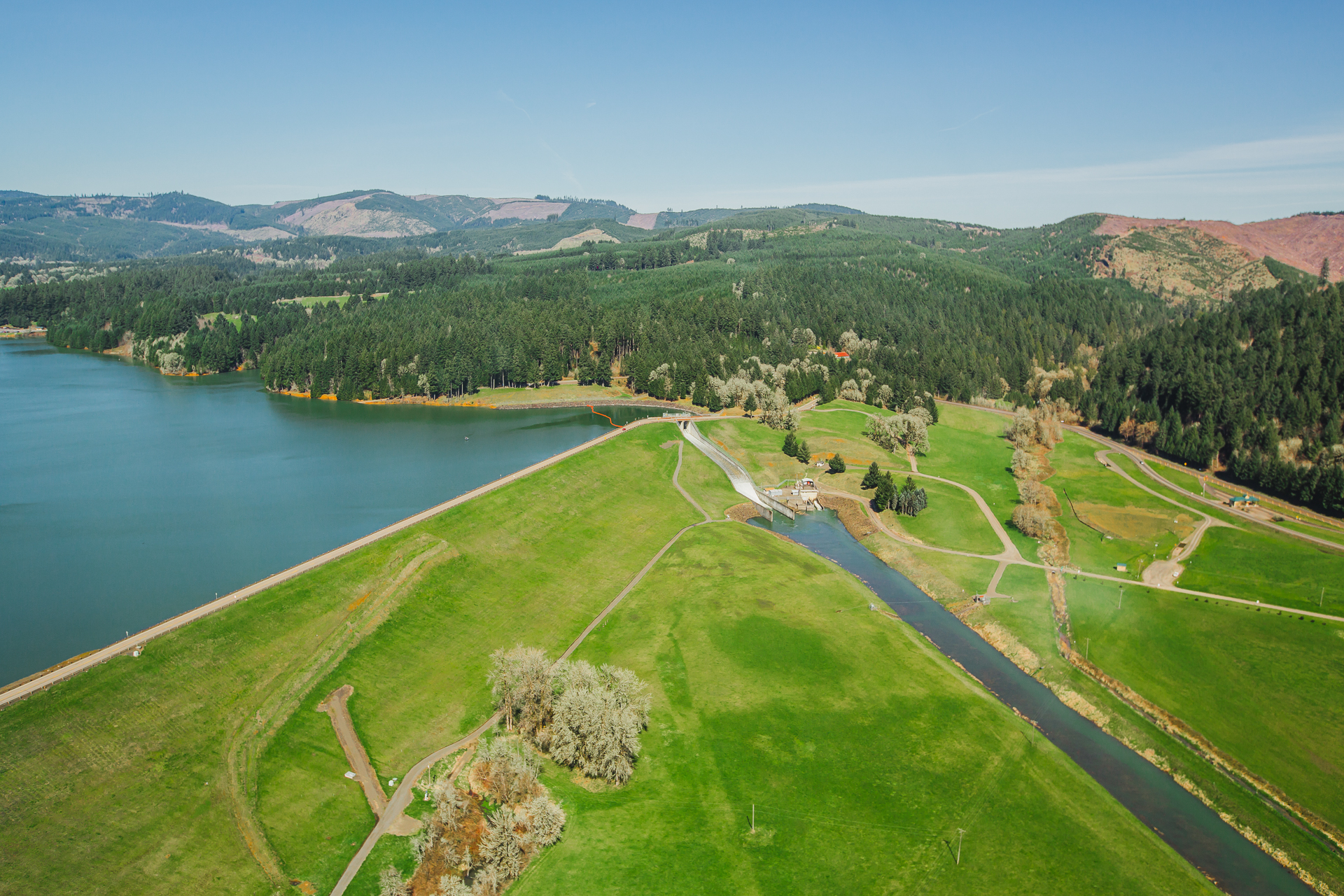
There are many different ways the watershed talks to us, if you know how to listen. At Clean Water Services (CWS), we are always working to understand the needs of the Tualatin River Watershed. One way we learn from the environment is asking “who or what has been here?” Since we can’t knock on the door of a beaver dam or ring a trout’s doorbell, CWS is using a new technique to translate the language of the watershed.
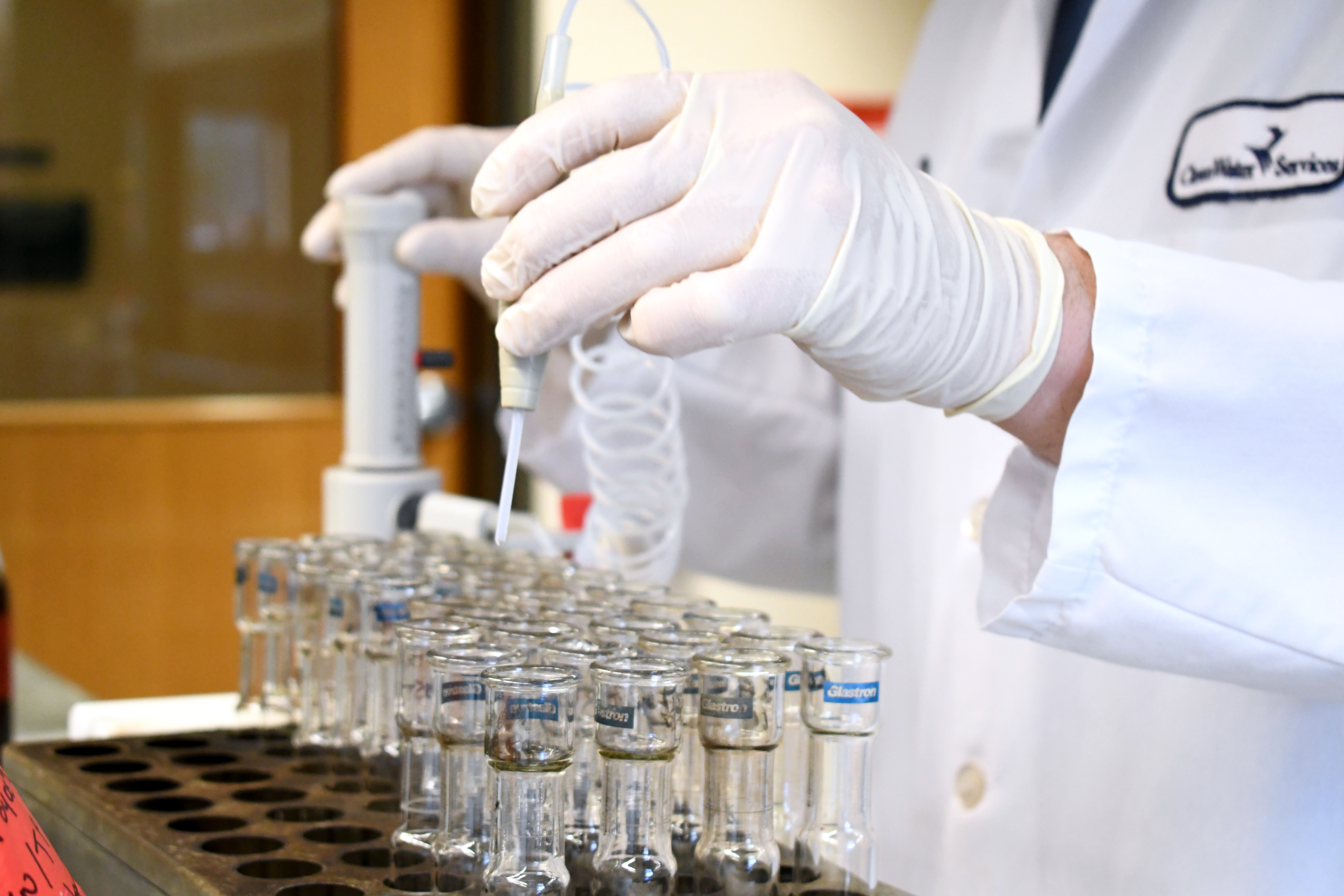
There's a lot of science involved in treating wastewater and managing stormwater in the uniquely challenging Tualatin River Watershed. A sizable portion of that science takes place in the Clean Water Services Water Quality Laboratory, where chemists perform over 100,000 water quality analyses a year.
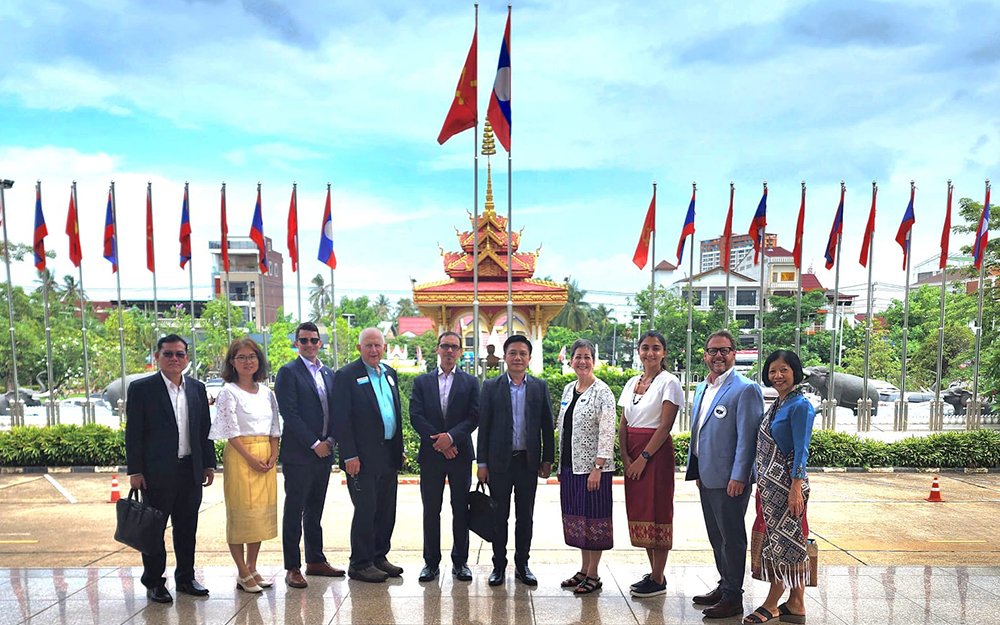
Luckily, given the complexities of managing water resources, all of us in this water-connected world benefit from the knowledge that flows throughout the water sector.