
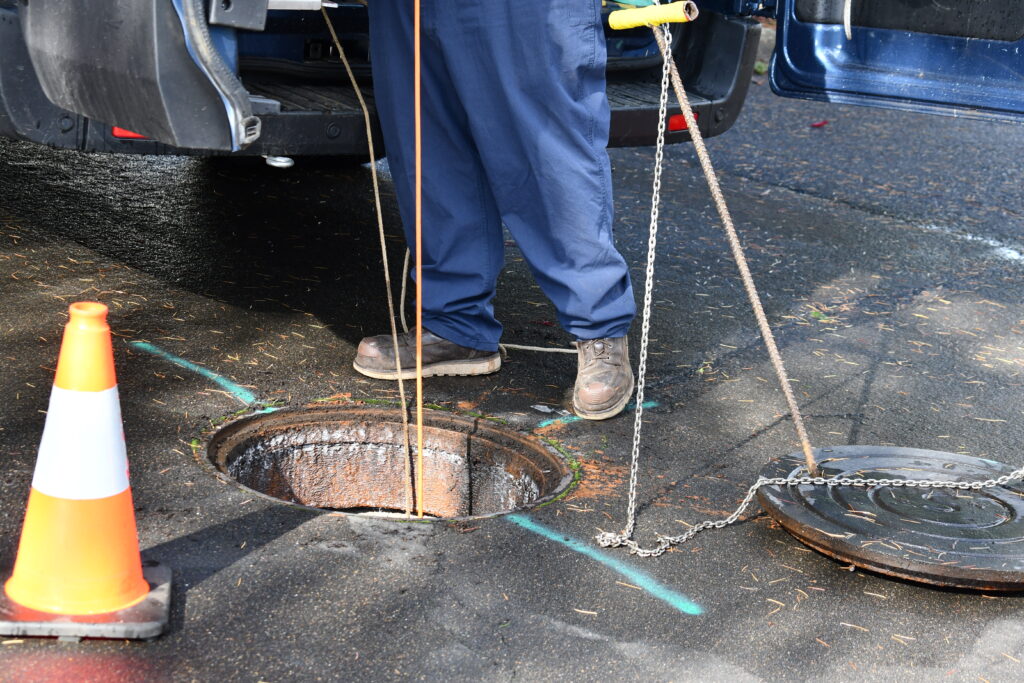
As your partner in water resources management, our Environmental Services team provides guidance and technical assistance to ensure you’re in compliance with federal regulations. Our process helps you navigate regulations and dispose of wastewater responsibly, including temporary discharges such as line-flushing water, dewatering, or short-term projects.
To get started, read through the types of temporary discharges below and fill out the temporary discharge application associated with the type you wish to discharge, as well as any additional required forms. Use Clean Water Services public GIS software to complete the form. Then email the completed applications to escasemanagers@cleanwaterservices.org and an Environmental Services staff member will route your request for comment and approval. You will be notified once the reviewing process is completed.
All temporary non-domestic wastewater discharges going to the sanitary sewer or stormwater systems in Washington County require a temporary discharge application.
Note: Prior to discharge. Requests may take up to two weeks or longer to review depending on volume and other factors. If you want to discharge on a specific date, submit these requests two weeks prior to your planned discharge.
Types of Temporary Discharges
Chlorinated Water
Chlorinated Water
Cities, recreation centers, water districts, fire departments, and contractors often need to dispose of chlorinated water. Examples of chlorinated discharges include, but are not limited to, water line flushing after chlorine injection, potable water line flushing, hydrant testing, swimming pools, and any other discharge only containing chlorine. Conditions of the discharge may vary based on total chlorine concentration. Dischargers wishing to discharge potable water, may request to discharge to the stormwater or sanitary sewer systems. Fill out the Temporary Discharge Form to get started.
Approval of discharges of this nature will be expedited if it meets the following discharge characteristics:
- Maximum flow rate: 50 gallons/minute
- Maximum total volume: 24,000 gallons/day
- Discharge must occur Monday-Friday, 9 am – 6 pm
Remediation Sites and Contaminated Discharges
Wastewater discharge from remediation sites is rare but can pose environmental risks to the public and Water Resource Recovery Facilities. Contractors performing construction activities may need to dispose of contaminated wastewaters. These are any discharge of wastewater containing substances other than chlorine and must go to the sanitary sewer system. Some examples of these include, but is not limited to, groundwater from the removal of underground storage tanks, groundwater from excavation, and wastewater from borehole drilling.
Those Requesting to discharge wastewater from remediation sites or other contaminated wastewater must fill out the Temporary Discharge Form, and either the Underground Storage Tank Remediation Sites form or the Non-Underground Storage Tank Form.
Other Noncontaminated Discharges
Other temporary discharge requests that may not fall under chlorinated waters, remediation sites, or contaminated waters must still fill out the Temporary Discharge Form and the Non-Underground Storage Tank Form and must go to the sanitary sewer system.